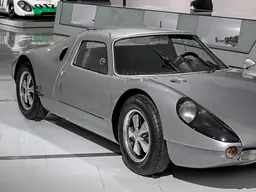
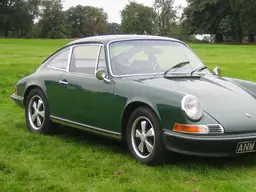
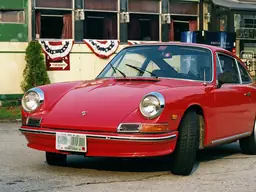
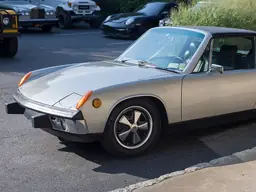
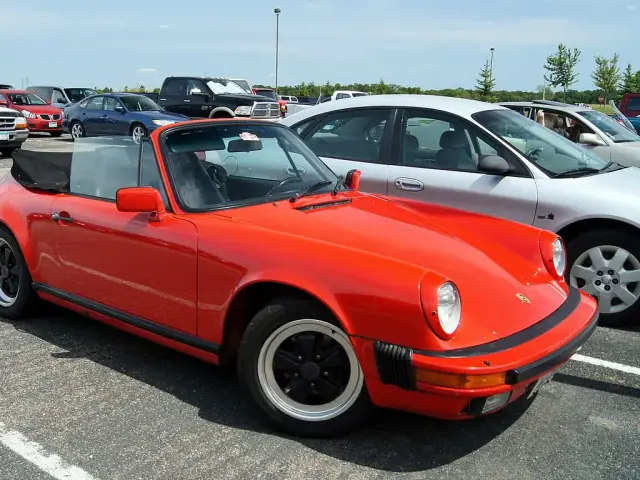
Porsche 911 (1974–1989)
History
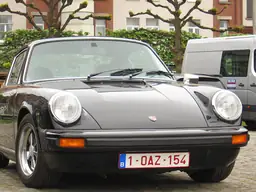
In the heart of the 1970s, the 911 grew in displacement and maturity: its air-cooled flat-six went to 2.7 litres and, from 1974, it gained the bellows bumpers required by US rules. The rear-hung engine and unmistakable shape stayed, for a demanding and thrilling drive.
Specifications
| Production | 1974–1989 |
|---|---|
| Engine | 2.7 L flat-6 |
| Power | 177 hp |
| Torque | 236 Nm |
| 0–100 km/h (0–62 mph) | 7.0 s |
| Top speed | 229 km/h |
| Weight | 1,080 kg |
| Weight-to-power ratio | 6.1 kg/hp |
| Driven wheels | Rear-wheel drive |
| Gearbox | Manual |
| Country | Germany |
| Category | Sports cars |
Rankings
| Criterion | Among Porsche models | In the whole catalogue |
|---|---|---|
| Power | 15th of 27 | 367th of 1,295 |
| Top speed | 11th of 23 | 168th of 1,155 |
| 0–100 km/h (0–62 mph) | 10th of 15 | 125th of 863 |
Rarity
Built for fifteen years, the G-series was made in good numbers, but well-preserved original cars, from the 2.7-litres to the Carrera 3.2, are increasingly coveted. In the game it's class A: an exceptional car.
Did you know?
From the 1976 model year the 911's body was fully hot-dip galvanised, allowing Porsche to offer a six-year anti-rust warranty, a rarity at the time.